I’ve been reading The Immortal – True Accounts of the 250 Year-Old Man, Li Qingyun, looking for clues about what actually supported his remarkable longevity and vitality. Li Qingyun died in 1933 at the claimed age of 256. The book shares conversations he had with people in the early 20th century.
Early Life and Simple Foundations
He left home around age 10 or 13 to wander 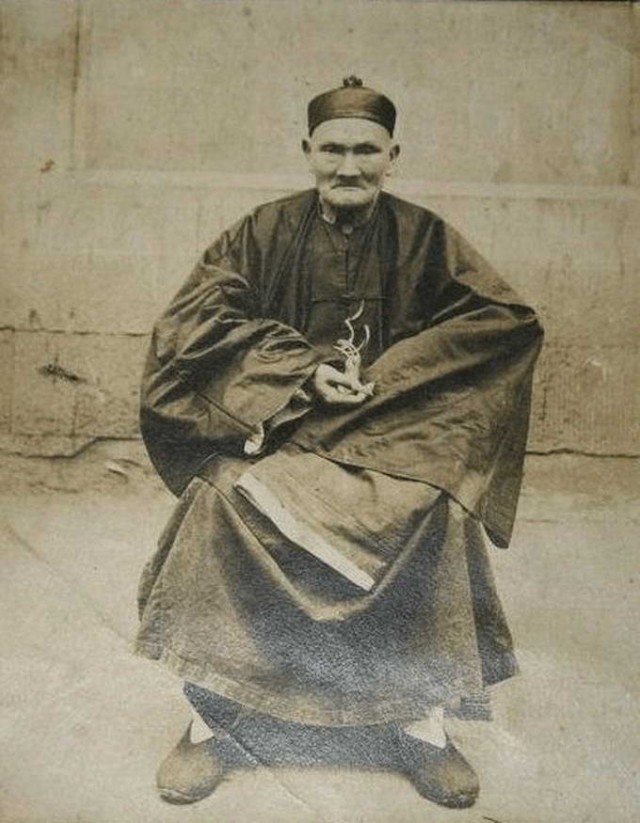 the mountains and gather herbs. For long periods he had little food and lived mostly on the medicinal plants he collected — many of them known for supporting longevity. This fits a classic longevity pattern: eating lightly, living in peaceful natural surroundings, and staying physically active through walking and gathering.
The surprising part is that he didn’t meet a Daoist master or learn formal longevity practices until he was already 139 years old. People who interviewed him noted that he wasn’t especially skilled at those practices. So what had been sustaining him all those years?
The Real Turning Point: A Calm Mind
Li Qingyun gave a clear answer when asked about reaching 139 while still healthy:
“The main reason I could live to 139 years old and still be healthy is because after I was forty years old, I could control my mind and not be disturbed by outside issues. My mind was always calm.”
This stands out. Many people look for exotic techniques or rare herbs, but he pointed to something much more ordinary and difficult: the ability to keep the mind steady and undisturbed by external events.
His Daily Practice: The Six Healing Sounds
Elsewhere, Li Qingyun attributed his good health to his breathing practice — specifically, the Six Healing Sounds. He learned them around age 30 and practiced them every day for roughly 110 years. Even after he became a Daoist and learned other methods, he never stopped doing the sounds.
He said the practice clears the body of emotional blockages and burdens. Given that he began the sounds in his thirties and reported a calm, steady mind by his forties, it’s reasonable to wonder whether this simple daily breathing practice played a major role in developing that mental clarity and emotional resilience.
He recommended doing the sounds between 11 a.m. and 3 p.m., speaking them softly rather than forcefully.
Why This Simple Practice Might Matter
I’ve experimented with the Six Healing Sounds before. I’ve taught versions of them in qigong classes and once spent a month doing just the wood-element sound (Shuh) every evening. I didn’t notice dramatic changes. But the idea of a consistent, daily practice of all six sounds — done at the recommended time, year after year — feels different. What kind of cumulative effect might that have on the nervous system, emotions, and overall vitality?
Of course, what worked for one person living in a very different time and environment may not translate directly. Still, the combination of a calm mind and a simple, repeatable daily breathing practice is compelling — especially because both are accessible and don’t require special equipment, teachers, or ideal conditions.
A Simple Daily Practice You Can Start Today
Reading Li Qingyun’s account inspired me to begin practicing the Six Healing Sounds every day myself. It’s a small commitment, but one that feels aligned with the steadiness and clarity he described.
If this story resonates with you, I gently invite you to try the Six Healing Sounds for yourself. Here is a short 4-minute practice you can follow along with:
Have you tried the Six Healing Sounds or another simple daily breathing practice? I’d love to hear about your experience in the comments.
This is a personal reflection inspired by historical accounts and is not medical advice. As with any new practice, listen to your body and consult a qualified teacher or healthcare professional if you have health concerns.